
Tajikistan’s Religious Landscape: Opportunities for Christian Ministry in a Muslim-Majority Nation
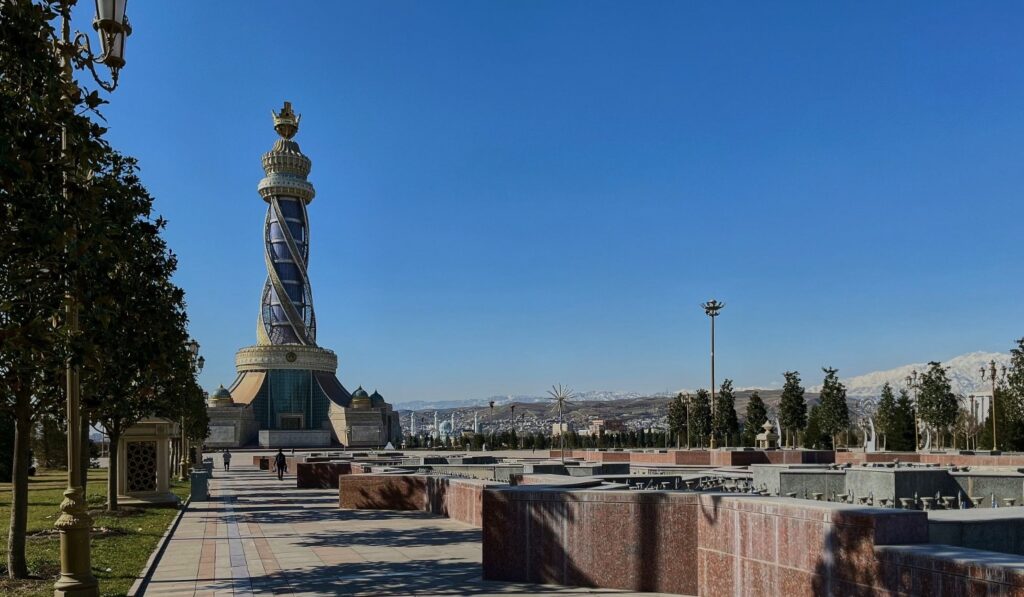
Tajikistan remains the poorest of the former Soviet republics—a mountainous Central Asian nation plagued by corruption, economic hardship, and religious restrictions. Over 99 percent of its population identifies as Muslim, and evangelical Christians comprise less than 0.1 percent. Laws restrict religious activity, and believers face pressure from government authorities and family members alike.
Yet in the shadow of the Pamir Mountains, God is at work. Courageous Tajik Christians are sharing their faith despite the cost, and lives are being transformed by the gospel. The church in Tajikistan may be small, but it is growing—a testimony to the power of God working through faithful national believers who refuse to be silenced.
"Do not be anxious about anything, but in everything by prayer and supplication with thanksgiving let your requests be made known to God." — Philippians 4:6-7 (ESV)
Understanding Tajikistan: The Roof of the World
Tajikistan is a landlocked nation bordered by Afghanistan to the south, China to the east, Kyrgyzstan to the north, and Uzbekistan to the west. Approximately 93 percent of its territory consists of mountains, including portions of the Pamir range—often called the "Roof of the World." The capital, Dushanbe, sits in a valley surrounded by peaks that isolate communities and complicate infrastructure development.
The nation's modern history has been marked by upheaval. After decades as a Soviet republic, Tajikistan gained independence in 1991, only to descend almost immediately into a devastating civil war that lasted from 1992 to 1997. An estimated 100,000 people died, and hundreds of thousands more fled the country—including many Christians. The war solidified President Emomali Rahmon's grip on power, where he has remained for three decades. His son is now being positioned as his successor.
Today, Tajikistan faces ongoing challenges, including widespread poverty, dependence on remittances from migrant workers in Russia, and problems with drug trafficking from neighboring Afghanistan. The illicit drug trade accounts for a staggering portion of the national economy, while terrorism concerns have produced ISIS-linked attacks within the country's borders. These realities shape daily life for ordinary Tajiks and create the context in which the church operates.
Religious Landscape: Islam and State Control
Islam arrived in the region through Arab conquest in the eighth century and has remained the dominant faith ever since. Tajikistan is predominantly Sunni Muslim, with a significant Ismaili Shia minority concentrated in the mountainous Gorno-Badakhshan region. During the Soviet era, Islamic practice was suppressed—mosques were closed, religious leaders were persecuted, and atheism was promoted. But cultural Muslim identity survived, and after independence, religious observance revived.
However, the Tajik government maintains strict control over religious expression. All organized religious activity requires government approval, and registration requirements apply even to the Muslim majority. Recent legislative changes have restricted Islamic dress, including bans on hijabs in schools and public spaces. The government frames these policies as efforts to combat "extremism" and "foreign influence," but they reflect a broader pattern of state control over religious life.
For Christians, the restrictions are even more severe. The U.S. State Department designates Tajikistan a "Country of Particular Concern" for religious freedom violations. The 2026 Open Doors World Watch List ranks it as the 27th worst country in the world for persecution. Protestant churches have been fined for producing Tajik translations of the Bible without government approval. Ministry to children is effectively illegal, as laws prohibit minors from participating in religious activities in public settings. These constraints have pushed the evangelical church—already tiny—almost entirely underground.
Christianity in Tajikistan: A Struggling but Persistent Church
Christianity has ancient roots in Central Asia. Nestorian missionaries traveled the Silk Road centuries ago, establishing communities across the region. Russian Orthodox Christianity arrived with the expansion of the Russian Empire in the nineteenth century. However, the Christian population has always been small, and it shrank further during the civil war when many believers fled the country.
Today, Christians comprise less than 0.5 percent of Tajikistan's population. The Russian Orthodox Church maintains some legal presence, primarily serving ethnic Russians who remained after the Soviet collapse. But Protestant and evangelical believers face a more difficult reality. Registration is nearly impossible to obtain, religious literature is restricted, and evangelism invites scrutiny from authorities.
Converts from Islam face the greatest pressure. In Tajik culture, religious identity is deeply intertwined with family and community identity. Leaving Islam for Christianity is seen as betraying one's ancestors, rejecting one's heritage, and shaming one's family. Convert believers often experience verbal abuse, physical violence, disownment, economic pressure, and social isolation. Some have lost jobs, homes, and relationships because of their faith.
Yet despite these obstacles, the church persists. Underground house churches gather for worship, prayer, and fellowship. Believers share their faith through personal relationships, trusting God to open hearts and protect His people.
Stories of Faith: Tajik Believers Making an Impact
The gospel's power is most visible in transformed lives. Across Tajikistan, believers are courageously following Christ and reaching their communities despite the cost.
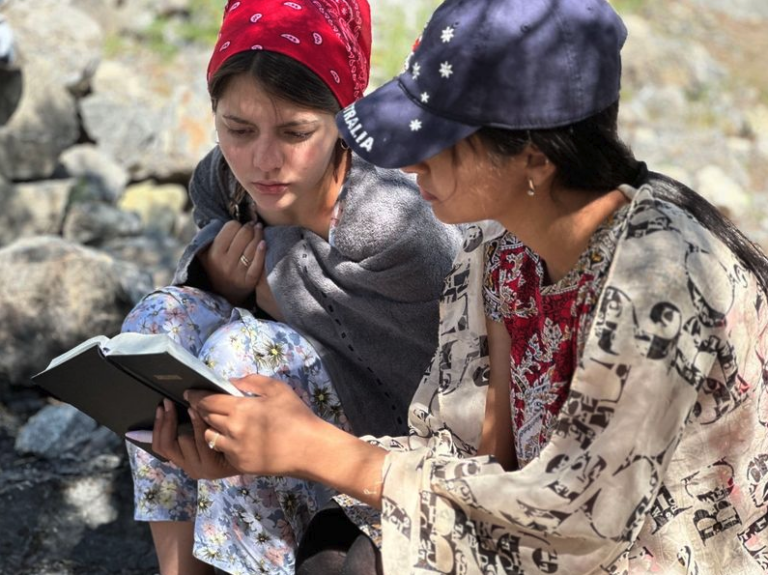
Matluba, 23, is one of the most active School Without Walls students in the city of Bokhtar. She first heard about Jesus from her Christian aunt and uncle. What fascinated her most was the story of Mary's miraculous conception—she spent months contemplating why God would choose an ordinary young woman to bear His Son.
When Matluba was 16, she was invited to a church youth conference. "I was captivated by songs about God," she recalls, "but even more intriguing was the way Christians treated one another. I witnessed genuine love, joy, and sincerity in their interactions—something I had never experienced anywhere else." During a prayer time at a School Without Walls conference, her heart was overcome with conviction. "I began to cry as I realized my own sinfulness," she shares. "Church members approached me and explained what Jesus had done for me." That day, Matluba gave her life to Christ.
Bahram (name changed), a university student, attended a Next Generation Professional Leaders Initiative (NGPLI) conference that transformed his vision for ministry. "It's not easy being a Christian in our country," he admits. "Many people tell me that I've betrayed the faith of our ancestors. It's difficult to find work in Tajikistan, and many men must travel to Russia to support their families. But I don't want to leave—I love my country, and I want to serve Christ here!" The conference inspired him to see his future workplace as a mission field where he can influence colleagues and the community for Christ.
Madina graduated from law school—a rare achievement for a woman in Tajikistan, where few pursue higher education, especially in the legal sphere. Her stepfather is a pastor and School Without Walls coordinator who taught her that professional excellence and gospel witness go hand in hand. Today, Madina uses her legal training to serve Christ, opening doors for the gospel through her professional credibility.
These stories represent countless others—young Tajiks who have encountered Jesus and are willing to pay the price of following Him.
Ministry in Restricted Contexts: How the Church Operates
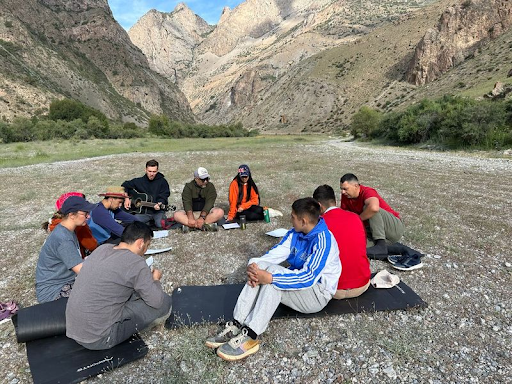
The underground church in Tajikistan has developed creative approaches to share the gospel while navigating severe restrictions. Small groups meet in homes, carefully managing who knows about gatherings and when they occur. Trust is built slowly through extended family networks and long-term relationships.
Mission Eurasia's School Without Walls program provides flexible, hands-on leadership training that works within these constraints. Unlike traditional seminary education that requires relocation and full-time study, SWW equips believers in their own contexts through intensive modules, mentoring relationships, and practical ministry experience. In 2023, fifty Tajik leaders enrolled in the program, with 16 graduating from the full two-year curriculum.
The program emphasizes indigenous leadership development. Tajik believers understand their culture, speak their language, and navigate social dynamics that outsiders cannot fully grasp. They know how to share faith in ways that resonate with their Muslim neighbors. When persecution comes, they cannot be deported—this is their home.
Mission Eurasia also operates Bread of Life Bakeries in Tajikistan—a strategic initiative that provides physical bread to hungry communities while creating opportunities to share the true Bread of Life. In remote villages where poverty is severe and access to the gospel is limited, these bakeries demonstrate Christ's love in tangible ways. Workers share their faith with customers, and conversations about bread often lead to conversations about Jesus.
Children's ministry remains a priority despite legal restrictions prohibiting minors from public religious activity. Creative approaches allow believers to reach young people through sports camps, social events, and family networks. These efforts plant seeds in the Next Generation, investing in future leaders who will carry the gospel forward.
A Biblical Framework: Faithful Witness in Hostile Soil
Jesus told a parable about a farmer who scattered seed on different types of ground. Some fell on hard paths and were eaten by birds. Some fell on rocky ground and sprang up quickly but withered in the sun. Some fell among thorns and were choked. But some fell on good soil and produced a harvest—30, 60, even a 100 fold (Matthew 13:3-9).
Tajikistan often feels like hard ground. The soil of hearts has been compacted by centuries of Islamic tradition, decades of atheist suppression, and ongoing social pressure against conversion. Many seeds seem to wither or get choked by the thorns of persecution and poverty.
Yet some seeds take root. Believers like Matluba, Bahram, and Madina testify that good soil exists even in Tajikistan. The harvest may be slow, but it is real. God's Word does not return empty (Isaiah 55:11).
The Apostle Paul experienced hostile soil throughout his ministry. He was beaten, imprisoned, shipwrecked, and opposed at nearly every turn. Yet he pressed forward, trusting that his labor was not in vain. "Let us not grow weary of doing good," he wrote, "for in due season we will reap, if we do not give up" (Galatians 6:9).
Tajik believers embody this perseverance. They continue to sow despite opposition, trusting God for the growth.
How You Can Make a Difference
The church in Tajikistan needs the support of believers around the world. You can make an eternal difference through prayer and partnership.
Pray with intention. Intercede for believers facing persecution from government authorities and family members. Pray for School Without Walls students and leaders as government scrutiny intensifies—for courage, protection, and wisdom. Pray for the Bread of Life Bakeries—for safety, provision, and open doors for gospel conversations. Pray for children's ministry—that authorities would not hinder outreach and that young hearts would receive the Good News. Pray for the poverty, drug trade, and instability afflicting this nation—that God would bring transformation.
Partner with national leaders. Tajik believers are best positioned to reach their own people. They need training, resources, and encouragement from the global church. Your support enables School Without Walls to equip more leaders, expand Bread of Life Bakeries to more villages, and provide resources for children's ministry.
At Mission Eurasia, we partner with courageous Tajik believers who risk everything to share Christ's love. Your prayers and support equip these national leaders to reach their own people with the gospel. Together, we can bring hope to one of the world's most challenging and least-reached nations.
Seeds Taking Root
Tajikistan is hard soil, but not impossible soil. The poverty is crushing, the restrictions are severe, and the social pressure against conversion is intense. Yet God is raising up a generation of young Tajik Christians willing to pay the cost of following Jesus.
The church may be small, but it is faithful. The harvest may be slow, but it is coming. And one day, believers from Tajikistan will stand before the throne alongside people from every nation, tribe, and language, worshiping the Lamb who was slain.
Until that day, we sow. We pray. We partner. We trust God for the growth.
Will you join us?
Related Articles
Christianity in Turkmenistan: Faith in One of the World’s Most Restrictive Nations
Christianity in Azerbaijan: The Church in a Secular Muslim Nation

Addressing Persecution: Insights from Scripture and the Early Church
Stand With the Persecuted Church
In nations where faith is a daily risk, your support provides legal aid, emergency relief, and the strength of knowing they are not alone.