
Christian Leadership Training
In a region marked by historical shifts and ongoing crises, the need for resilient, biblically grounded leadership has never been more urgent. Mission Eurasia is committed to Christian leadership development that goes beyond the classroom, focusing on equipping the next generation to lead with integrity and hope. Through our flagship School Without Walls program and specialized apologetics training, we are mobilizing young believers across the Caucasus, Central Asia, and the post-Soviet nations to become catalysts for spiritual and social transformation.
Our approach to training Christian leaders emphasizes the transition from participants to active ministry partners. By providing practical tools for effective leadership development, we help young people in Gen Z and Gen Alpha navigate skeptical secular environments with a firm foundation in Scripture. Explore the stories and strategies below to see how our innovative leadership equipping is answering tough questions and empowering a new wave of gospel-centered leaders to transform their communities for Christ.
Mongolia’s Christian Renaissance: Growth, Challenges, and Transformation
Azerbaijan presents a fascinating paradox. Between 85-97 percent of the population is culturally Muslim—predominantly Shia with a significant Sunni minority. Yet the country maintains a firmly secular constitution, a legacy of Soviet-era atheism, and deliberate government policy… The government actively restricts religious expression it considers extreme or foreign, applying these restrictions to both Islamic movements and non-traditional religious groups.
Training and Equipping the Next Generation of Christian Leaders in Eurasia
Mission Eurasia is dedicated to equipping and empowering the Next Generation of Christian leaders in a region where the church has long faced hardship, opposition, and now, the devastating effects of war. Through comprehensive biblical leadership training programs, Mission Eurasia is investing in the lives of young Christian men and women, providing them with the necessary tools, wisdom, and spiritual foundation to lead effectively, serve their communities, and bring hope in the midst of crisis.
From Participants to Leaders: Transformative Journeys in Christian Leadership Training
Christian leadership training has the power to transform lives, equipping participants with the biblical knowledge, practical skills, and spiritual foundation they need to become effective leaders in their churches and communities. At Mission Eurasia, we have seen countless examples of lives changed and leaders raised up through our training programs.
Transforming Communities Through Effective Leadership Development
Effective leadership is crucial for the growth and well-being of any organization or community, and this holds true especially for the church in Eurasia. Mission Eurasia, recognizing the vital role that leadership plays in spreading the gospel, has created a variety of innovative leadership training programs aimed at providing participants with the necessary skills, knowledge, and character to lead effectively.
Inspiring Gen Z and Gen Alpha for Spiritual Leadership: Mission Eurasia’s Approach
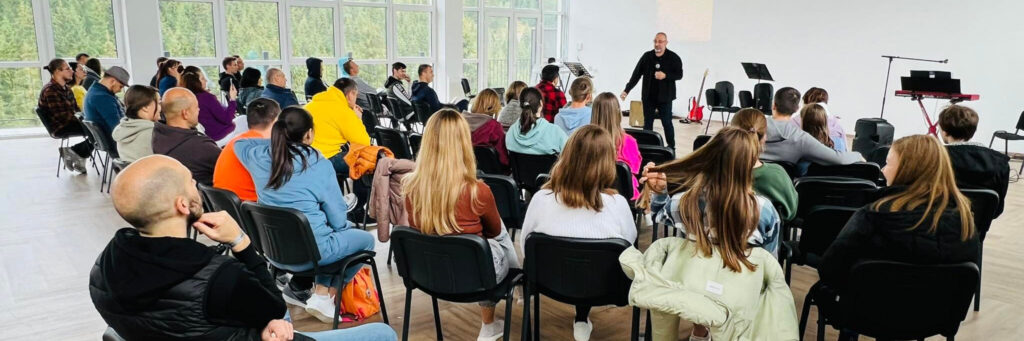
In a world where cultural influences and societal pressures continue to shape the lives of young people, Mission Eurasia recognizes the critical importance of raising up and discipling the Next Generation of Christian leaders. Through its innovative School Without Walls (SWW) program, Mission Eurasia is discipling the Next Generation by empowering Gen Z and Gen Alpha youth to become transformative gospel-centered leaders who can navigate the unique challenges they face in their communities across Eurasia.
Addressing the Doubts of Post-Soviet Youth: A Guide to Scripture and Apologetics
In the post-Soviet world, where skepticism and secular influences have taken root, engaging millennials and younger generations with the truth of Scripture has become an increasingly challenging task. Gen Z and Gen Alpha in Eurasia have grown up in a cultural context shaped by the lingering effects of atheistic communism and the dominance of the Russian Orthodox Church, leading to a growing trend of millennials